

Next-Generation Rational Drug Design: Momed Biotech Unveils PAM-DB, the World's First Database on Target Protein Activation Mechanisms

This official account provides the Chinese-language introduction. For the complete technical documentation, user manual download, and business collaboration, please visit: www.momedpamdb.com


I.The Overlooked "Kinetics Blind Spot": Questions That Static Structures Cannot Answer
The great achievements of modern structural biology and AI prediction technologies (such as AlphaFold) are beyond doubt. They have enabled us to obtain stable protein structures with unprecedented efficiency. The problem, however, is that the vast majority of these structures represent the "valley bottoms" in the protein energy landscape—the most stable, least active states.
True biological function is never conferred by the inactive state. For a receptor protein to transduce a signal, an enzyme to catalyze a reaction, or an ion channel to open and close, they must undergo a conformational transition from the inactive state to the active state. This process is accompanied by free energy fluctuations: one must first climb several energy hills (reaching the Transition State, TS) and then descend into the valley of the active state. The essential role of a drug molecule is precisely to alter the height of these "hills": inhibitors raise them so the protein cannot climb over; agonists flatten them so the protein can be activated with ease.
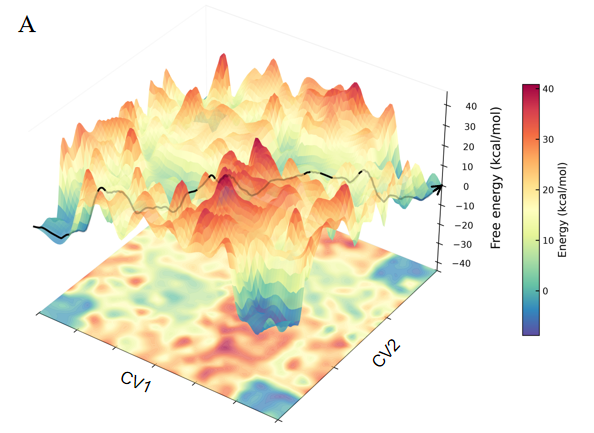
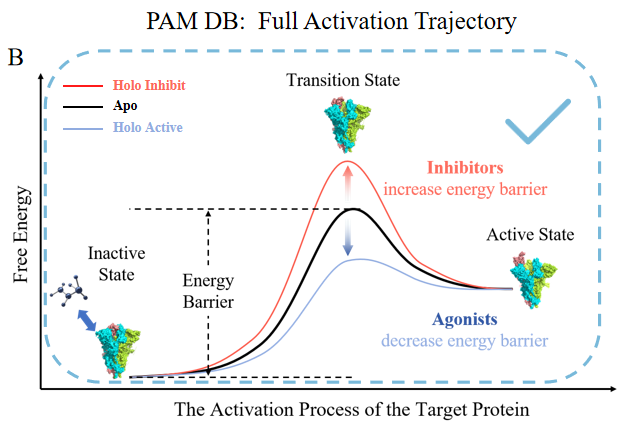
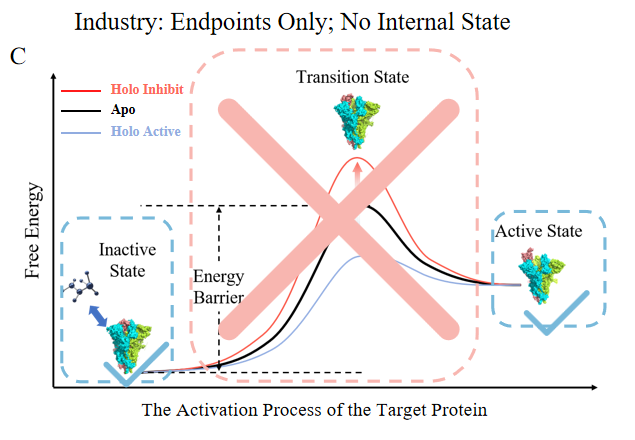
Figure 1. (A) Projection of a multidimensional protein activation energy landscape onto a one-dimensional coordinate (black line: minimum free energy path). (B) Black line: simplified target protein activation coordinate; red/blue lines: modulation of the energy barrier by inhibitors/agonists. This database covers the complete activation process of target proteins (IS, TS, connecting pathways, and kinetic information). (C) Industry research is typically limited to endpoint stable structures (IAS and partial AS), unable to reach the intermediate transition pathways.
However, existing CADD/AIDD pipelines do almost only one thing: calculate the binding affinity of molecules to the inactive state (and the few active states that can be obtained) (Figure 1C). This is akin to studying only the moment a key fits into a lock, while completely ignoring the forces and friction inside the lock cylinder as the key turns. We have designed countless keys that "slide in smoothly," yet cannot open the lock—because the internal activation mechanism remains a black box. This directly causes the hit rate of traditional computational screening to linger at extremely low levels, with enormous human and material resources wasted on subsequent experimental validation.
II.Why Can Neither Experiments Nor Conventional Computation Capture the "Activation Process"?
Some may ask: why not directly capture the transition state and intermediate states using cryo-electron microscopy (cryo-EM) or X-ray crystallography? The reason is harsh—these high-energy states are fleeting in nature, with extremely low abundance, and cannot be "frozen" and resolved by conventional experimental methods. The most critical transition states, in particular, often have lifetimes on the order of femtoseconds (10⁻¹⁵ s).
What about computational simulation? Ordinary molecular dynamics (MD) simulations follow the thermodynamic equilibrium distribution, meaning the system spends the vast majority of its time residing in the energy minimum valley (the inactive state) and will never spontaneously traverse toward the high-energy ridges. Although enhanced sampling algorithms (such as TMD and metadynamics) exist, they often crash due to atomic collisions when faced with the cooperative motion of thousands of amino acids—such as the large-scale opening of the GPCR intracellular domain, the intrinsic conformational flip of G proteins, or the rotation of the ATPase central axis (Figure 2). To complicate matters further, the motions of different subunits in multimeric proteins are coupled; forcibly dragging one domain will cause steric clashes in another (Figure 3A). Therefore, conventional computational methods are virtually powerless when confronted with the protein activation process.
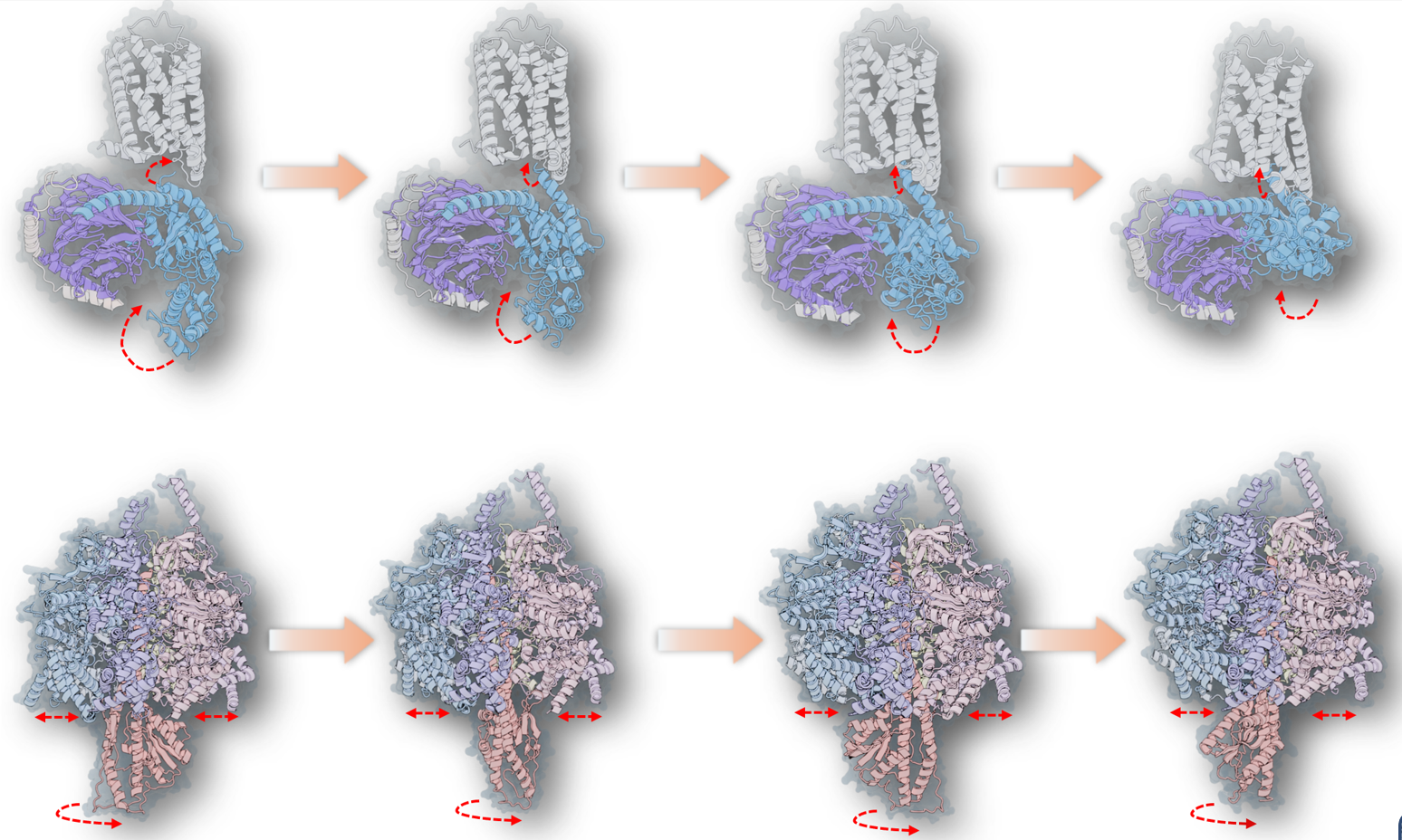
Figure 2. Conformational changes of β2AR (top) and chloroplast F1-ATPase (bottom) during their activation processes. In the top panel, the red arrows mark the essential conformational changes, including the conformational flip of the G protein and the insertion of the α5 helix into the receptor. In the bottom panel, the red arrows mark the continuous rotation of the γ axis in the lower portion and the periodic opening and closing of the α3β3 domain in the upper portion. All of this represents information inaccessible to conventional Molecular Dynamics.
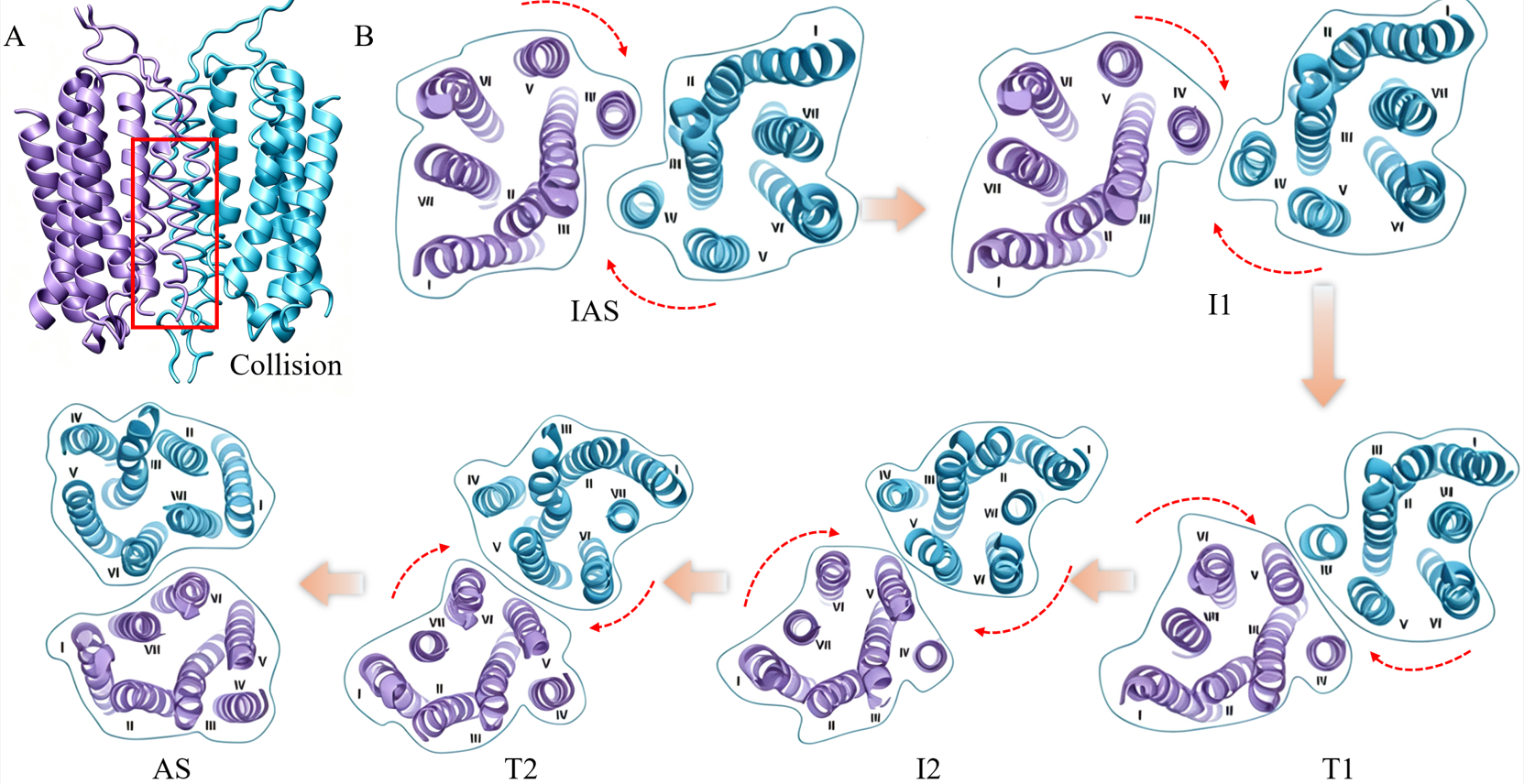
Figure 3. (A) Steric clashes occur in the 7TM domain during TMD. (B) Our method captures the complete IAS→AS conformational transition, with the rotational motions of the two subunits coupled but asynchronous. Multimeric structure of the mGlu2 transmembrane domain (extracellular view); red arrows indicate the direction of 7TM rotation. The same principle applies to the ATPase in Figure 2.
In other words, inactive state structures are the readily obtainable "known," while the activation pathways that determine drug efficacy are the long-missing "unknown." This "unknown" is precisely the key to improving design success rates—and the gap that PAM-DB aims to fill.
III. PAM-DB: A Bridge Connecting "Static Structures" and "Dynamic Drug Efficacy"
Exploring the mechanisms of protein activation processes is among the most challenging directions even in academia. When attempting to deliver a "standardized" database that can be directly used by the industry, the difficulty is further amplified. Building on the team's decades of dedicated research in nonequilibrium computational simulation of macromolecular biophysical systems, we have established a systematically validated pipeline that can reliably generate all-atom continuous conformational trajectories from the inactive state to the active state. This pipeline has undergone rigorous physicochemical validation—we benchmark the computationally derived energy barriers against experimentally measured reaction rate constants, ensuring that every activation trajectory is not a product of computational imagination, but a physically realistic depiction that stands up to experimental scrutiny.¹⁻⁹
PAM-DB v1.0 features complete activation trajectories for over a dozen key drug targets, including GLP-1R, GCGR, ACLY, GlyR, β2AR, KRAS, AM1R/2R, AMY3R, CGRP, CTR, and others. The database contains not only the well-known inactive and active states, but—critically—the transition state (TS) at the highest energy point, all intermediate states (IS) at local minima along the pathway, and every conformation connecting them: a complete trajectory.
The significance of this dataset lies in the fact that, for the first time, it allows medicinal chemists and computational biologists to see "how the inside of the lock cylinder turns." Instead of fumbling with an empty keyhole, researchers can now observe how their compounds interact with each key conformation along the entire activation pathway.
IV. Activation Mechanism Based Drug Design (AMBDD): Four Core Values Reshaping R&D Logic
With complete activation pathways in hand, the strategy of drug design will undergo a qualitative transformation:
1. Exposing "Undruggable" Targets: Discovering Hidden "Transient Pockets"
Many proteins have smooth surfaces in the inactive state, lacking deep binding pockets, and are labeled "undruggable." However, during activation, dramatic conformational changes dynamically expose transient pockets or hidden allosteric sites that exist in neither the inactive nor the active state. These pockets differ from those discovered through long-timescale molecular dynamics in the inactive state; the newly emerged pockets open entirely new doors for "undruggable" targets.
2. Precise Control of Signaling Flow: From "Full Blockade" to "Biased Modulation"
Taking the GPCR family as an example, receptor proteins often activate multiple signaling pathways through the same target—one brings therapeutic efficacy, while another triggers side effects. Once we 掌握 the complete energy landscape of target activation, we can precisely design biased drugs: selectively raising the energy barriers of disease-causing pathways while preserving the normal function of protective signaling pathways. Biased molecule design is no longer hit-or-miss, but rational design based on conformational differences.
3. Unraveling the Underlying Mechanisms of "Existing Drugs" to Guide Precise Optimization
For targets with existing clinical compounds, PAM-DB provides "reverse engineering" capabilities. By mapping clinical molecules onto the activation pathway, one can precisely identify which residues contribute to the major elevation of energy barriers and which interactions are redundant, thereby rationally modifying molecules for iterative improvement.
4. Prospective Prediction of Drug Resistance and Off-Target Effects
How do mutations alter activation barriers? Will a drug bind to unexpected pockets in certain conformations? With full-pathway information, one can simulate the perturbation of mutations on the activation process at the preclinical stage, anticipating resistance sites in advance while significantly improving the accuracy of off-target risk assessment.
V. Application Examples: How the Database Functions in Real-World R&D
The following three cases demonstrate typical applications of PAM-DB in real drug discovery projects.
Example 1: Discovering Novel Transient Pockets to Open New Opportunities for "Undruggable" Targets
Take the AMY3R receptor as an example. In the inactive state, the orthosteric pocket in its transmembrane domain is relatively stable, while the pocket in the extracellular domain undergoes spatial rearrangement as the extracellular helix unfolds. More critically, on the intracellular side, transmembrane helix 6 (TM6) undergoes large outward rotation and displacement, gradually opening a "novel transient pocket" during activation that exists in neither the inactive nor the active state. This pocket appears only at a specific stage of the activation pathway and is completely inaccessible to traditional screening based on endpoint structures.
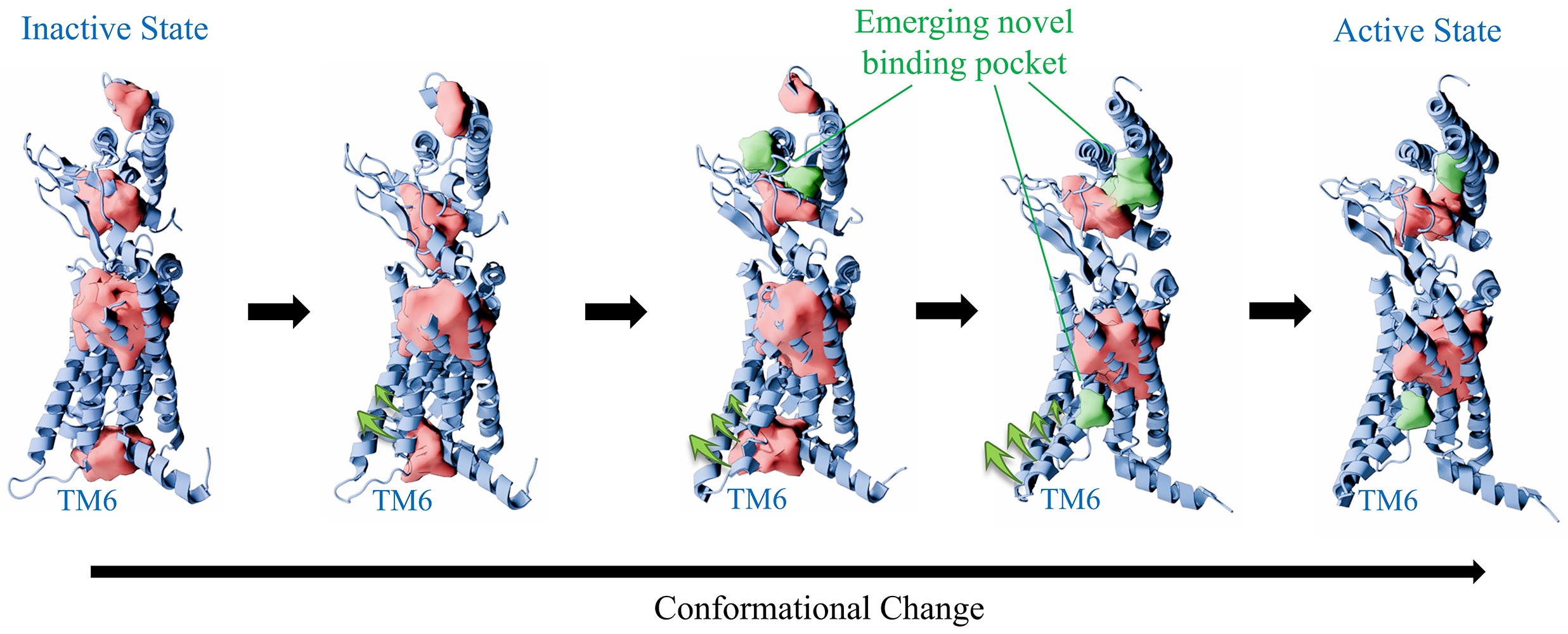
Figure 4. Conformational transition of AMY3R and the selective emergence of a novel pocket.
Similar phenomena have been observed in multiple targets included in PAM-DB, such as AM1R, CTR, CGRP, GLP-1R, KRAS, and ACLY, demonstrating that the emergence of transient pockets is universal in biological systems. The identification of these new pockets provides unprecedented chemical space for designing novel allosteric modulators or covalent inhibitors targeting "undruggable" targets. For complete transition animations of all target proteins in v1.0, please refer to the website: www.momedpamdb.com
Example 2: Mechanism-Informed Design of Novel-Scaffold Biased Antagonists—A Case Study of GCGR
GCGR is an important target in the field of diabetes. Previously, three clinical candidates all failed due to severe side effects such as elevated cholesterol and liver damage. Using the activation pathway information provided by PAM-DB, we found that the root cause of failure lies in the fact that traditional inhibitors simultaneously block two downstream pathways: one controls blood glucose (to be inhibited), and the other maintains hepatic metabolic homeostasis (to be preserved) (Figure 5B).
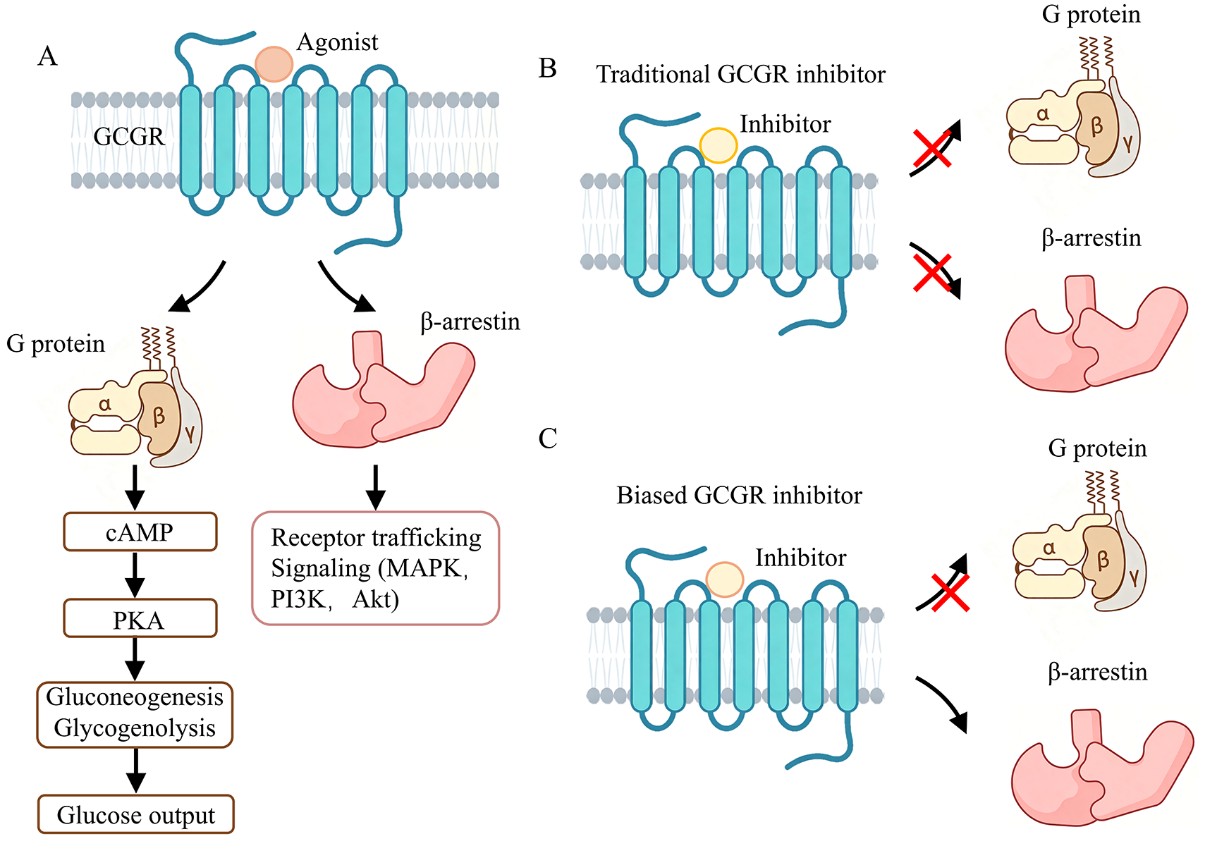
Figure 5. (A) Canonical signaling pathways of GCGR mediated by G protein and β-arrestin. (B) Traditional inhibitors simultaneously block both G protein and β-arrestin pathways. (C) Biased inhibitors selectively inhibit G protein-mediated signal transduction while preserving β-arrestin recruitment function.
Based on this mechanistic understanding, the team set a clear "biased inhibition" goal: selectively block the G protein-mediated cAMP-PKA pathway while preserving β-arrestin-mediated protective signaling (Figure 5C). Through iterative computational screening and optimization (Figure 6), the final candidate molecules achieved an approximately 8-fold improvement in biased selectivity and potency over LGD6972—the only existing clinical-stage drug in development—achieving the dissociation of efficacy and safety.
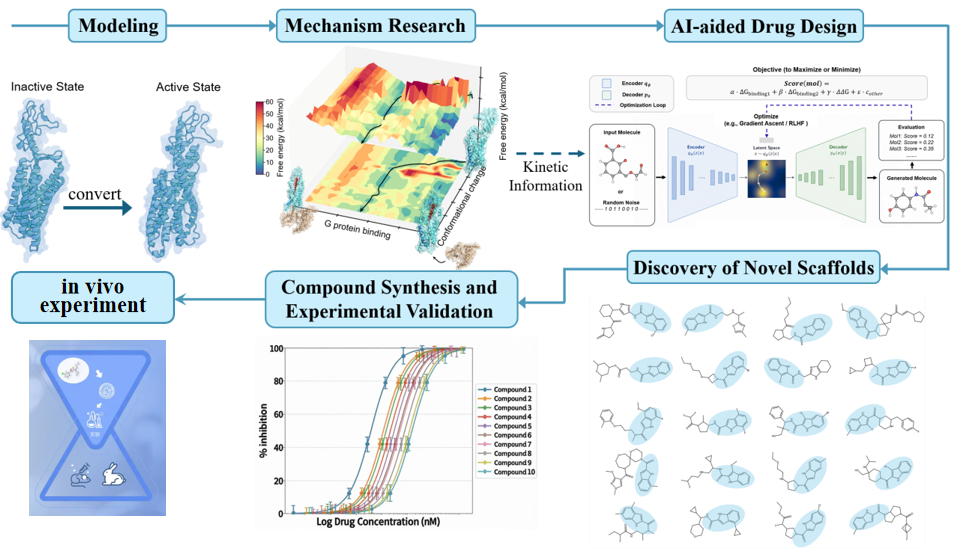
Figure 6. Overall workflow of biased inhibitor design targeting GCGR. The figure is for illustrative purposes only and does not represent final experimental data, as related content is involved in pending patent applications and future publications.
Example 3: Mode-of-Action Analysis and Precise Optimization of Existing Clinical Molecules—A Case Study of DPP1
DPP1 is an important target for treating neutrophil-mediated inflammation such as bronchiectasis. For inhibitors that have entered clinical development (such as Brensocatib and BI 1291583), we first used PAM-DB to decipher the full activation landscape of DPP1 itself, then mapped the mode of action of clinical molecules onto the activation pathway, precisely identifying which residues contribute most to elevating the energy barrier and whether the interactions of existing molecules at these key sites are optimal.
Based on these "precise anchor points," we performed localized modifications, redesigning the interactions targeting key residues. The resulting compounds outperformed existing 同类 molecules in key metrics including enzymatic activity, cellular activity, liver microsomal stability, and permeability, demonstrating best-in-class potential. In head-to-head pharmacokinetic (PK) experiments, our molecules exhibited a significantly higher bone marrow/plasma exposure ratio than the positive control molecules.
VI. A Paradigm Shift from "Snapshot Screening" to "Landscape Modulation"
The release of PAM-DB is not intended to dismiss existing CADD/AIDD tools, but to provide them with the most critical "kinetic perspective (Kinetics, not Dynamics)." This database converts every conformation along the activation pathway into computable, screenable, and trainable "positive and negative samples." Whether using traditional molecular docking to explore newly emerged transient pockets, or employing AI generative models to learn the mapping between energy barriers and molecular structures, PAM-DB provides unprecedented high-quality training and test sets.
The future of drug design no longer merely pursues "who binds tightest to the inactive state of the target," but shifts toward "who can most precisely reshape the energy landscape kinetically." This is a fundamental mindset shift—from steady states to intermediate states, from affinity to kinetics, from static snapshots to activation movies.
PAM-DB v1.0 is only the beginning. In the upcoming v2.0, we will add a series of targets with major unmet clinical needs, including SHP2 and M4R. We also sincerely welcome peers in academia and industry to provide valuable suggestions and jointly drive the evolution of this database.
We have every reason to believe that, in a few years, activation process impact analysis of candidate molecules will become a standard component of next-generation rational drug design—just as docking affinity analysis for static structures is today. The earlier one embraces this information, the sooner one can gain an industry advantage. By completing the "kinetic puzzle piece" of drug discovery, let us jointly open a new chapter in next-generation rational drug design.
About the Database
For complete videos of protein conformational changes, as well as technical manual and user guide downloads, please visit: www.momedpamdb.com
For commercial collaboration and licensing inquiries, please contact: pamdb@momedtech.com.cn
For academic exchange and consultation, please contact: inquiry@momedtech.com.cn
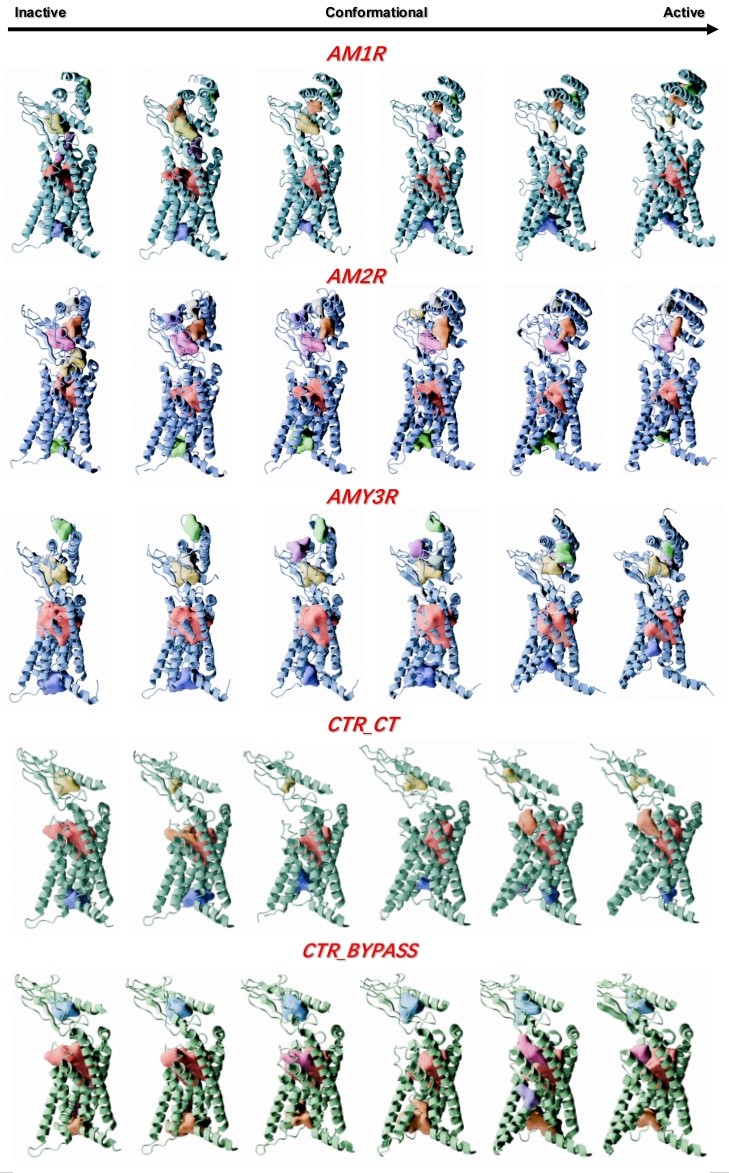
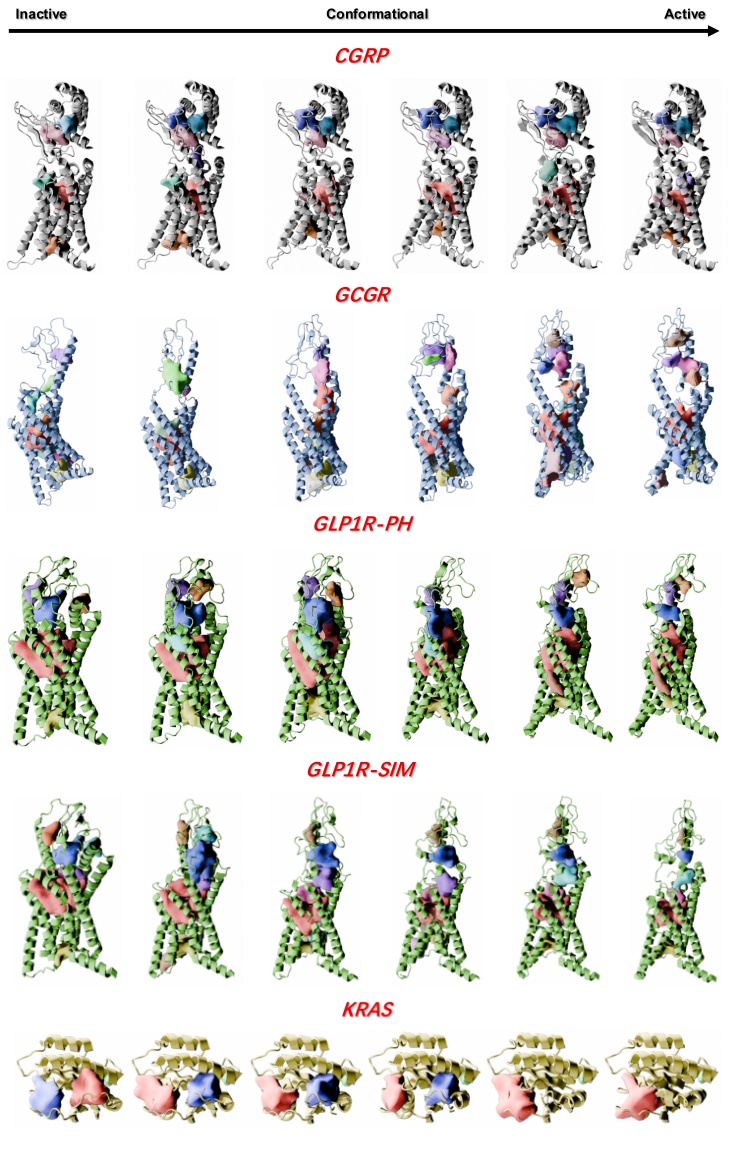
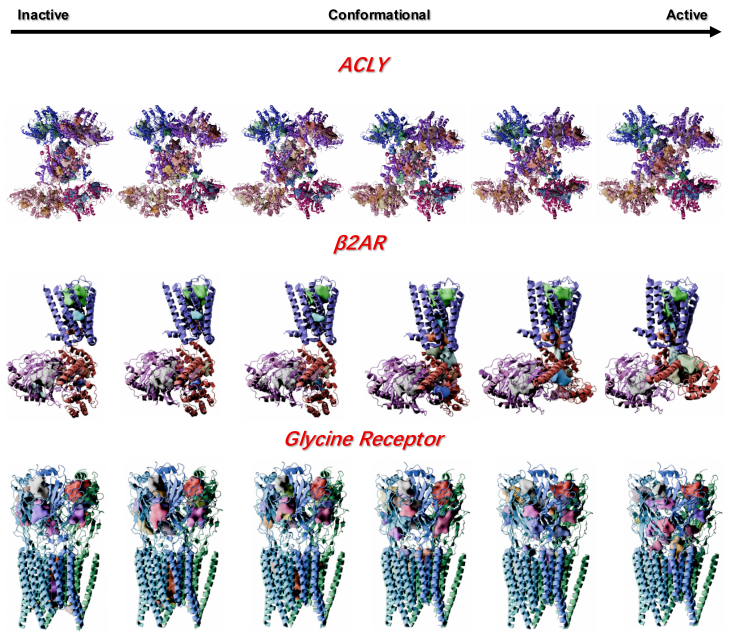
Figure 7. Overview of all binding pocket changes in PAM-DB 1.0. Proteins are represented in cartoon form, and pockets are shown in surface representation. For complete transition animations of all target proteins in v1.0, please refer to the website www.momedpamdb.com.

Paper and Code Information
References:
1.Zhang, Y.; Zheng, Q.; Warshel, A.; Bai, C., Key Interaction Changes Determine the Activation Process of Human Parathyroid Hormone Type 1 Receptor. Journal of the American Chemical Society 2025, 147 (4), 3539-3552.
2.Liu, S.; Chen, H.; Zhu, X.; Ye, F.; Zhao, Y.; Qin, J.; Zheng, Y.; Wang, X.; Zhang, L.; Chen, H., Structural insights into the progressive recovery of α7 nicotinic acetylcholine receptor from nicotine-induced desensitization. Science Advances 2025, 11 (41), eadx4432.
3.Zhu, X.; Luo, M.; An, K.; Shi, D.; Hou, T.; Warshel, A.; Bai, C., Exploring the activation mechanism of metabotropic glutamate receptor 2. Proceedings of the National Academy of Sciences 2024, 121 (21), e2401079121.
4.Zhang, Y.; Wu, K.; Li, Y.; Wu, S.; Warshel, A.; Bai, C., Predicting Mutational Effects on Ca2+-Activated Chloride Conduction of TMEM16A Based on a Simulation Study. Journal of the American Chemical Society 2024, 146 (7), 4665-4679.
5.Yan, J.; Chen, L.; Warshel, A.; Bai, C., Exploring the activation process of the glycine receptor. Journal of the American Chemical Society 2024, 146 (38), 26297-26312.
6.Bai, C.; Wang, J.; Mondal, D.; Du, Y.; Ye, R. D.; Warshel, A., Exploring the activation process of the β2AR-Gs complex. Journal of the American Chemical Society 2021, 143 (29), 11044-11051.
7.Bai, C.; Wang, J.; Chen, G.; Zhang, H.; An, K.; Xu, P.; Du, Y.; Ye, R. D.; Saha, A.; Zhang, A., Predicting mutational effects on receptor binding of the spike protein of SARS-CoV-2 variants. Journal of the American Chemical Society 2021, 143 (42), 17646-17654.
8.Bai, C.; Asadi, M.; Warshel, A., The catalytic dwell in ATPases is not crucial for movement against applied torque. Nature Chemistry 2020, 12 (12), 1187-1192.
9.Bai, C.; Warshel, A., Revisiting the protomotive vectorial motion of F0-ATPase. Proceedings of the National Academy of Sciences 2019, 116 (39), 19484-19489.
分享:


Hot News
- 2024-10-31
- 2024-11-22
- 2025-01-16
-
2025-01-17
MoMed Biotech's Moments on CCTV! Catch the Wonderful Highlights in Advance!